



Global Alternatives Strategist
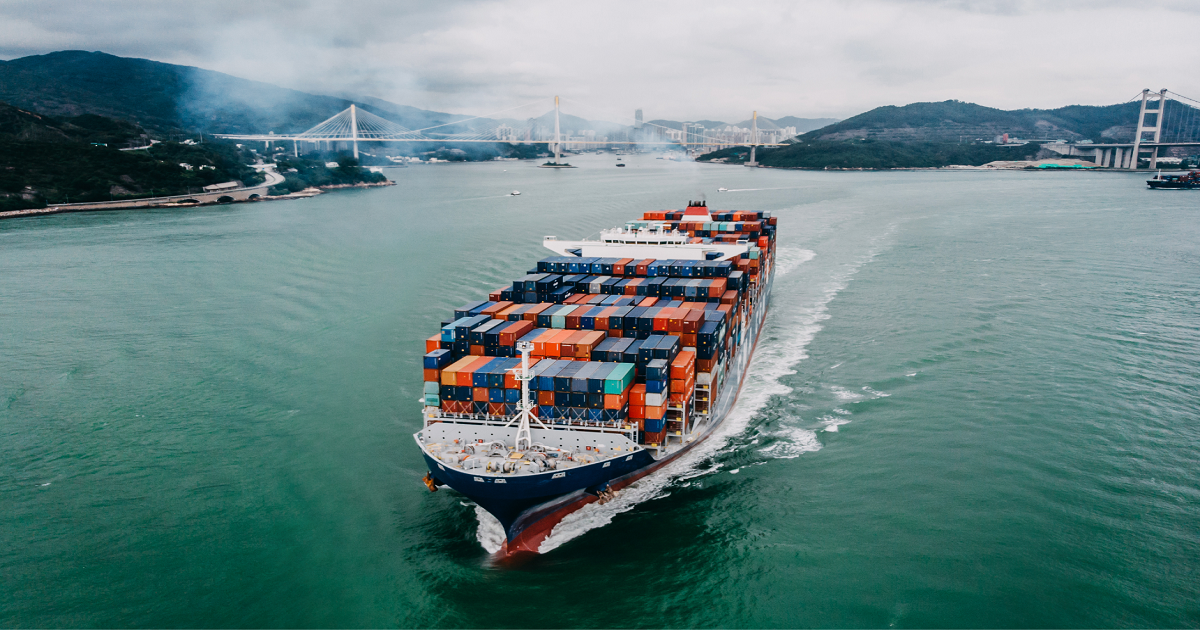
The closure of shipping lanes through the Strait of Hormuz is a major supply chain disruption with numerous downstream impacts. One sector benefitting from the disruption, perhaps counterintuitively, is maritime shipping.
Under normal conditions, 20 million barrels per day of crude and petroleum products pass through the narrow waterway, as well as chemicals and fertilizers that feed agricultural supply chains.
Demand for commodities is relatively inelastic in the short term. Even as some consumers have cut back on travel or switched to public transport, most do not have a choice but to continue filling their gas tanks at higher prices.
Trade has not stopped, but it has been rerouted
With Gulf oil inaccessible, demand is being met by other global producers, with the United States being advantaged as a net exporter of oil and gas. So, like a balloon that is squeezed at one end, causing the other side to bulge, as traffic through the Gulf has slowed to a trickle, this has been offset by an increase in traffic from other sources.
Container ships, bulk tankers and LNG (liquified natural gas) tankers are how this rerouted trade physically moves around the world. The closure of the Strait means that oil and other goods are shipped from further afield, taking longer routes to get to their destinations, which benefits vessel operators and owners.
An LNG tanker sailing from Qatar, the world’s largest LNG export hub, to Tokyo, could make the voyage in 15 days in 2025. With Qatar now blocked off, the same tanker shipping gas from Houston to Tokyo through the Panama Canal or the Cape of Good Hope takes 25-35 days, or an additional 10-20 days depending on the route taken.
Freight rates have also risen, adding to the windfall for shipping operators. Like surge pricing on ride-share apps during rush-hour traffic, commercial shipping rates have spiked since the beginning of the conflict. The Baltic Dry Index, which measures the spot price to ship bulk commodities, has soared 68% since March 1.
Wider regional trade impact
Adding to the regional supply shock, another important but less talked-about trade route is also restricted: the Bab el-Mandeb Strait, a narrow entrance to the Red Sea and the gateway to the Suez Canal. The Iran-backed Houthi movement has stepped up threats to attack commercial shipping after the escalation of hostilities in Iran.
As the map below from the Guide to Alternatives illustrates, both Hormuz and Bab-el-Mandeb are critical trade choke-points. The simultaneous disruption of both means maritime trade must divert around the Arabian peninsula. A detour around Africa’s Cape of Good Hope adds 3,500 nautical miles and 10-14 days per voyage.
Shipping as a geopolitical hedge
In a portfolio context, exposure to maritime transportation can act as a geopolitical hedge since the earning power of vessels can improve when trade is disrupted. Ships must spend more time in transit, which means fewer available vessels, tighter capacity and higher freight rates.
For investors with access to alternative investments, private market transportation strategies can provide investors with a source of durable cash flow which has low or negative correlation to public markets.
By Aaron Mulvihill - May 15, 2026