
After years in which market returns have been increasingly driven by tech, AI and a relatively small group of big companies, many investors are looking for assets driven by something different. That search has renewed interest in hard assets and an investment category known as natural capital.
Natural capital is a broad label for investments in forests, farms and other assets whose value is tied to nature. The most established examples are timberland and farmland, where returns can come from harvesting timber or crops, leasing land and long-term appreciation. Newer strategies may also generate revenue from carbon sequestration, conservation, water or biodiversity.
This year has seen a broader shift toward hard assets as investors look for diversification away from portfolios dominated by the AI investment cycle. Real assets, such as real estate, infrastructure and commodities can all play that role in different ways. Natural capital, from its off-the-grid nature, tends to be generally unmoved by factors like public-market sentiment, corporate earnings or interest rates. Historically, private timberland and farmland have shown low correlations with public markets.
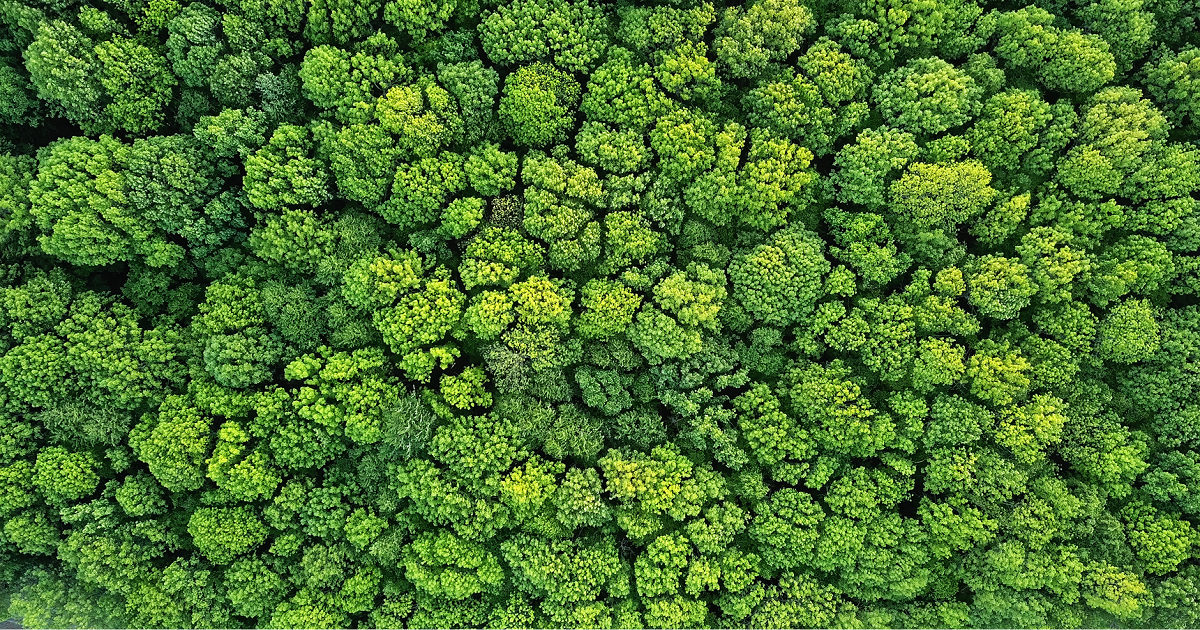
Timberland offers a useful illustration. The biological growth of trees is not influenced by the latest Federal Reserve decision or a disappointing earnings report. What matters more are factors outside financial markets: the age and species of the trees, local demand for timber, harvest decisions and climate conditions. Weather, drought and disease are persistent risk factors, but those risks can be reduced by diversifying across regions, tree species and properties, coupled with proper forest care. Owners can delay harvesting when timber prices are less attractive, allowing the trees to simply continue growing while they wait for better conditions.
The economic backdrop could prove supportive in the medium term. The United States faces a shortage of housing, while existing homes are aging and are in need of repair, creating a long-term need for construction materials. At the same time, tariffs and restrictions on imported lumber could improve the competitive position of domestic timber supply. These forces do not determine timber returns on their own, but they are factors that look quite different from the drivers of most public-market investments today.
Investors appear to be taking notice. Private investment in nature has increased roughly fivefold over the past decade, from $3 billion deployed in 2016 to more than $14 billion in 2025. The market remains relatively young, but the direction of travel is clear: natural capital is attracting greater interest from institutional investors and asset managers.
That institutionalization is important because ownership of timberland and farmland remains fragmented, with significant amounts still held by families and individuals rather than financial investors. As the market develops, more of these assets may become professionally managed and accessible through investment vehicles. Most direct exposure remains in private markets today, although public timber companies, REITs and agricultural businesses can provide investors with more liquid ways to participate, albeit with higher correlations to broader equity markets.
As stocks, bonds and private markets all begin to show signs of correlation to the singular theme of AI, investors may find it helpful to diversify from digital in their portfolios and consider an asset class with attractive fundamentals and intrinsically low correlation to broader markets.