
A summary of the latest trends in the markets (March 2026)
Markets navigated multiple crosswinds in February, as persistent concerns around AI-driven disruption intersected with intensified geopolitical tensions and the Supreme Court’s IEEPA tariff ruling. Global bonds returned 1.1% as investors rotated toward higher-quality assets, while global equities posted gains on resilient growth and strong earnings, with the MSCI ACWI up 1.3% for the month. Emerging markets outperformed developed markets, delivering total returns of 5.5%. Meanwhile, the U.S. Dollar Index (DXY) rose 0.6% on a combination of risk-off sentiment, changes in Fed expectations, and policy developments.
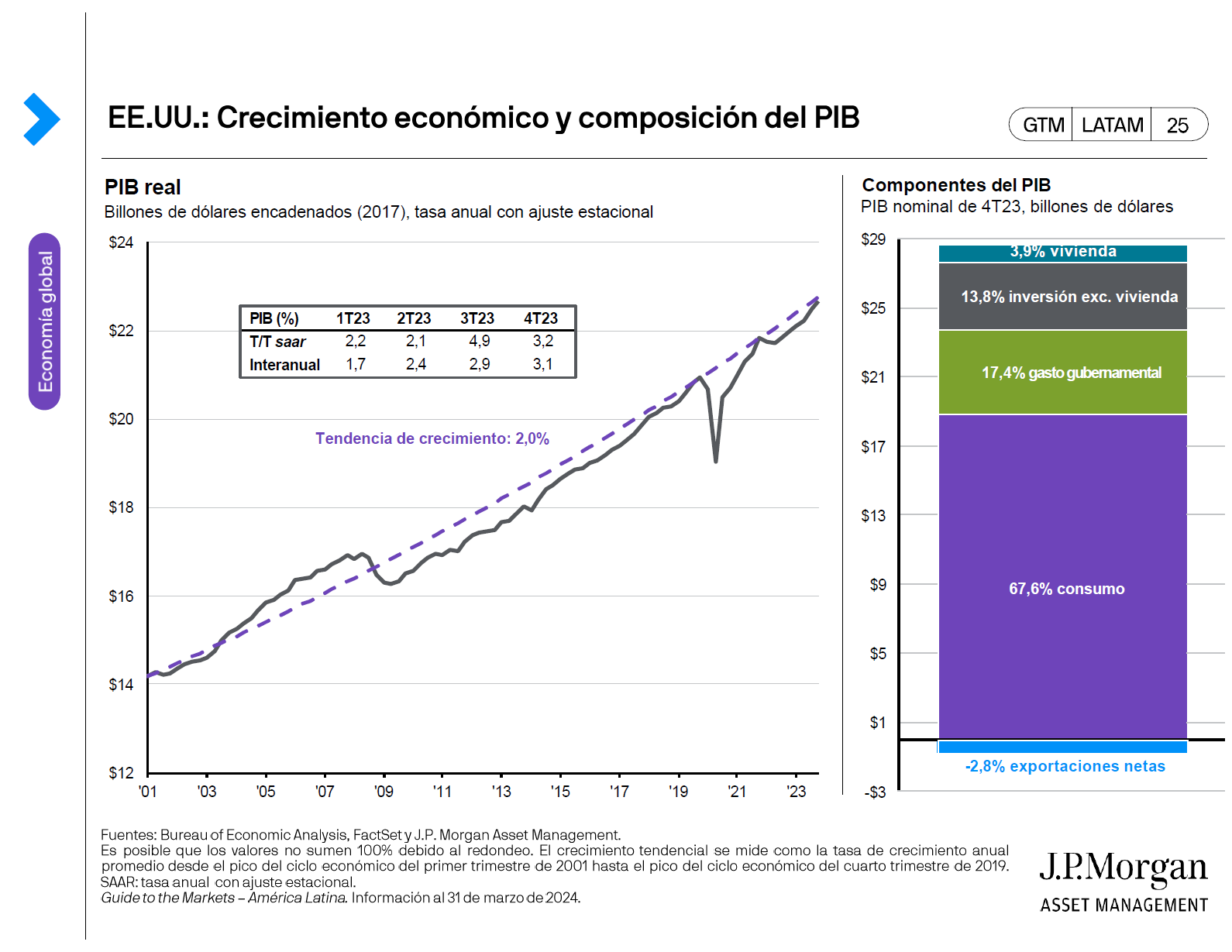
In the U.S., the February FOMC minutes revealed a more hawkish tilt, with some members now favoring language that acknowledges that rate hikes could be appropriate if inflation remains elevated. Staff forecasts point to the unemployment rate falling below its natural rate by year-end, while inflation is expected to persist above target. The bar for rate cuts remains high: both inflation and the labor market would need to deteriorate meaningfully for the Fed to justify easing. Markets expect the policy rate to remain on hold through the first half of the year, with the next cut only fully priced in for the second half of 2025, after the incoming Chair Kevin Warsh takes office. The growth outlook remains constructive, with fiscal stimulus still in play and consumer spending robust, but upside risks to inflation persist from potential shifts in trade and immigration policy as well as ongoing geopolitical disruptions. While 4Q25 real GDP growth came in weaker than expected at an annual rate of 1.4%, consensus may have been biased upward by the Atlanta Fed’s GDPNow model, which had been estimating 4Q growth of over 5%. A sharp 17% annualized decline in federal government spending was the main culprit for the weak report, as real GDP excluding the federal government rose by a solid 2.7% annualized.
Trade policy developments were also in focus in February. The U.S. Supreme Court’s ruling against the use of the International Emergency Economic Powers Act to justify the prior year’s reciprocal tariffs narrowed the scope for unilateral trade action, even as the administration responded with a new, time-limited global tariff under Section 122. While exemptions for critical inputs and USMCA-compliant goods softened the blow, the ruling leaves trade partners navigating a fresh round of uncertainty, and the prospect of significant importer refunds (potentially up to $170 billion) remains a live issue, particularly for smaller firms less able to absorb legal costs.
Globally, the policy landscape was equally dynamic. Eurozone inflation surprised to the downside at 1.7% year-on-year in January, reinforcing the ECB’s decision to keep rates on hold and fueling a rally in long-duration European bonds. Yet, investor focus has shifted to weakening demand, and the path for policy normalization remains uncertain. In Japan, the Lower House election delivered a historic supermajority for the LDP, granting Prime Minister Takaichi broad legislative control and flexibility on both defense and economic reform. The government’s pledge to suspend the sales tax on food will test its ability to balance affordability with fiscal discipline, a tension not lost on bond investors, who remain wary of stimulus funded by additional borrowing. Nevertheless, policy continuity and signals against further near-term rate hikes helped push JGB yields lower, with the 10-year falling 12 basis points to 2.12%. In China, the recalibration of U.S. tariff policy provided some relief, but domestic headwinds, ranging from property sector distress to the prospect of new value-added taxes on internet and gaming services, continued to weigh on sentiment ahead of the National People’s Congress in March.
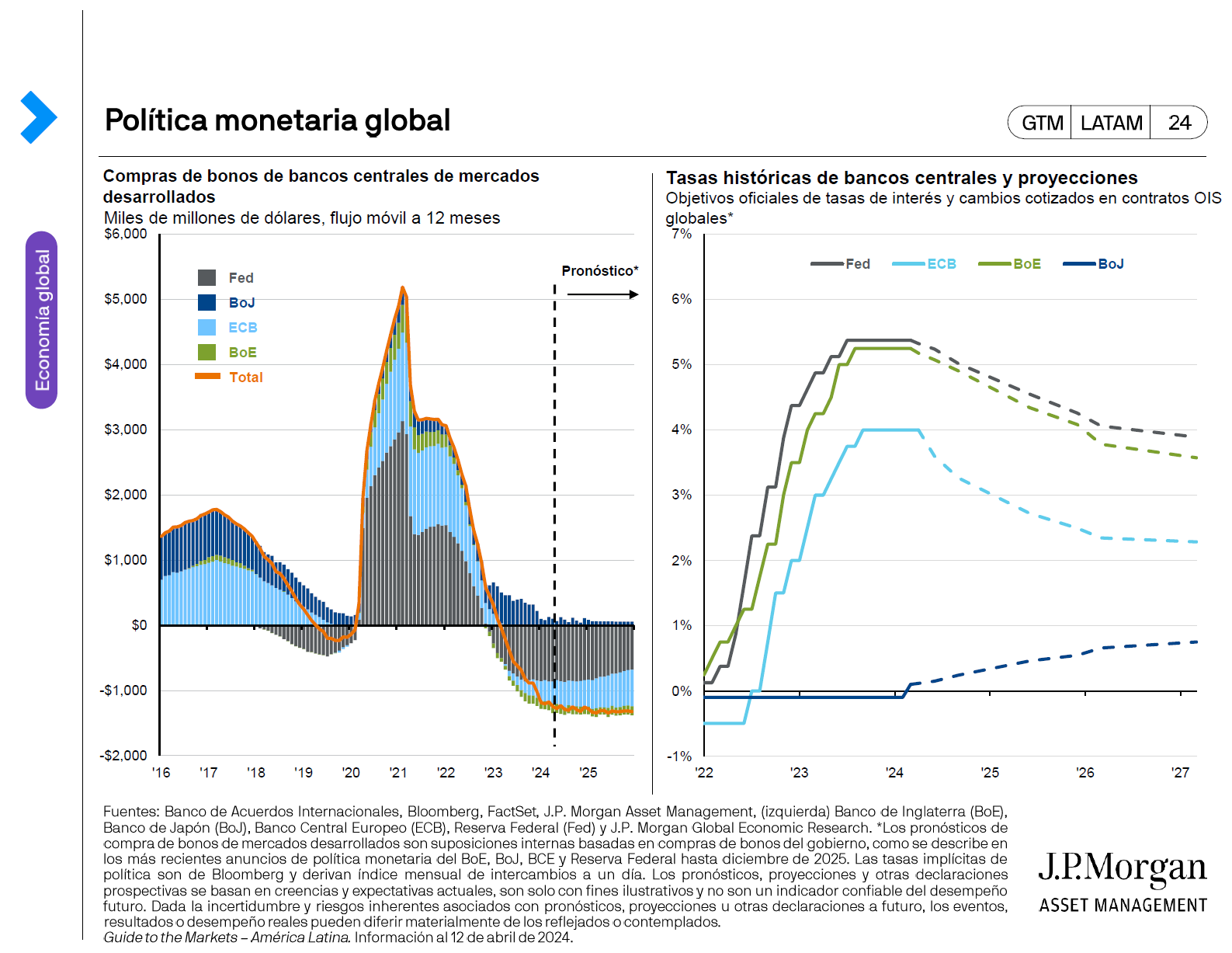
In fixed income, the search for safety and carry dominated. U.S. Treasury yields fell across the curve, with the 10-year down 30 basis points to 3.96%, as markets digested the implications of AI-led labor market disruption. Spreads on both investment-grade and high-yield bonds widened modestly, but total returns remained positive, supported by resilient earnings and growth. Differentiation across developed market sovereigns remains critical, with fiscal discipline under scrutiny in Japan and parts of Europe, and the risk of renewed rate hikes in other places such as Australia underscoring the need for active management.
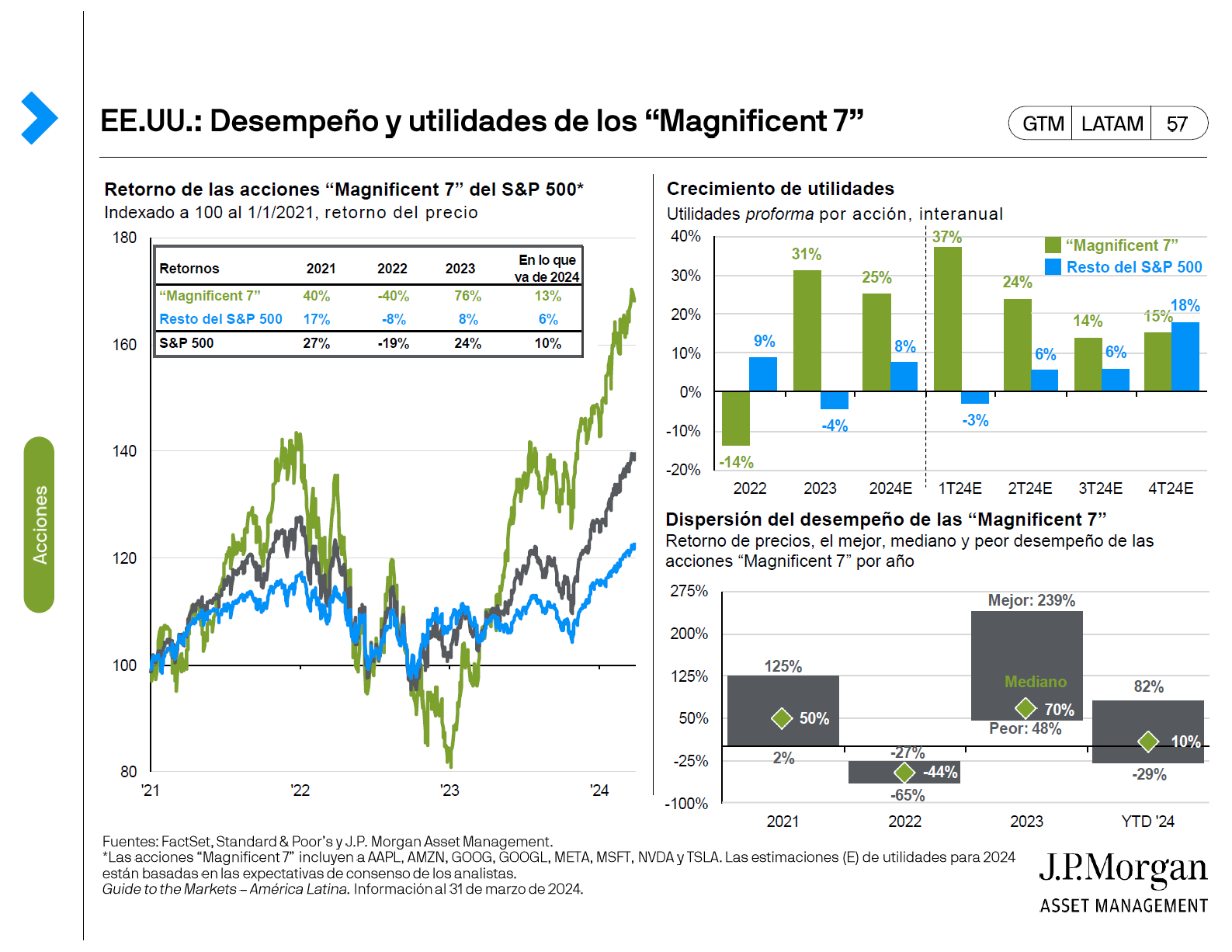
Global equity markets diverged sharply in February, with international equities outperforming the U.S. as investors rotated away from concentrated mega-cap technology exposures. This rotation favored value sectors and companies positioned to benefit from ongoing AI-related capital expenditures, such as manufacturers in Asia and raw material exporters in Latin America. Asia stood out as the clear leader this month: the MSCI Asia Pacific ex-Japan Index advanced 6.0%, driven by robust semiconductor demand that propelled MSCI Korea up 22% and MSCI Taiwan up 13%. Japan’s market rose 9%, supported by a weaker yen, continued corporate governance reforms, and reduced political uncertainty following the Takaichi coalition’s landslide victory.
In contrast, U.S. equities declined 1.0%, weighed down by AI-related concerns. Sector divergence intensified, with sectors exposed to the cyclical U.S. recovery such as energy (up 13%) and industrials (up 7%) faring better than technology (down 6%). The software sector, in particular, experienced valuation derating as new AI model releases raised questions about the durability of traditional SaaS business models. Companies with proprietary data assets remain better positioned, as data continues to be a critical input for AI model development and competitive advantage. In this environment, active management is increasingly important to identify firms most vulnerable to disruption.
AI disruption fears are also spilling into private equity and private credit markets, which have historically been early investors in software. With technology representing approximately 40% of the private credit index and software accounting for 16% of the BDC index, careful manager selection is essential to discern and manage exposure.
February rewarded diversified investors, with most asset classes delivering positive returns and growth leadership broadening. However, volatility and return dispersion beneath the surface were significant, and this pattern is likely to persist as geopolitics and the evolution of the AI theme continue to drive sharp moves. Looking ahead, broad diversification, a quality bias, and selective exposure to AI beneficiaries and alternative assets such as infrastructure should help investors navigate an environment where elevated valuations leave markets vulnerable to shocks.
For important information, please refer to the homepage.
This content is intended for qualified investors and is part of the educational material available for download through this page. We recommend reading the document for complete access to the information and its respective disclaimers.