
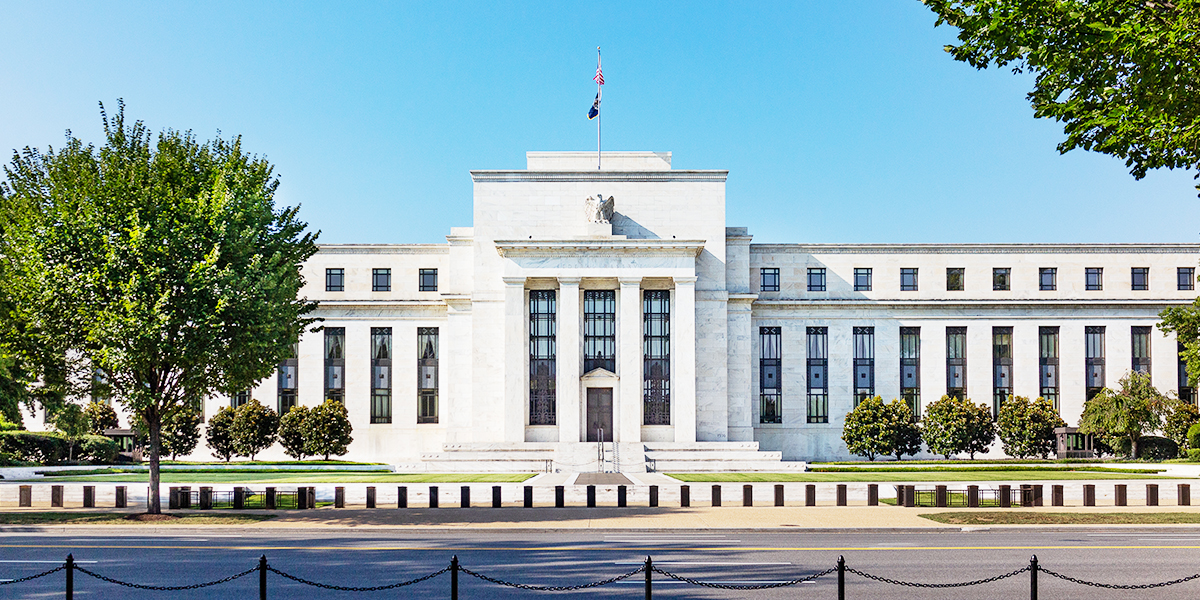
Markets are currently pricing in one full rate cut with an 83% chance of a second by the end of this year, which seems appropriate.
At its first meeting of 2026, the Federal Open Market Committee (FOMC) voted to leave the federal funds rate unchanged at a target range of 3.50%–3.75%. There were two dissents, with Governors Miran and Waller voting in favor of a 25bp rate cut. Governor Miran’s term on the Board of Governors is set to end this Saturday, although he will likely remain in his seat beyond that until a Senate confirmed replacement is named. Four new Reserve Bank presidents rotated onto the FOMC at this meeting, most of whom have recently leaned more hawkish.
New statement language also leaned hawkish:
- The assessment of recent economic activity was upgraded from “moderate” to “solid.”
- Job gains were described as low, but updated language acknowledged that the unemployment rate has “shown some signs of stabilization.”
- When describing the balance of risks facing the Committee’s dual mandate, language stating that “downside risks to employment rose in recent months” was removed.
- The section discussing reserve balances and the balance sheet was also removed.
At the outset of the press conference, Chair Powell was peppered with questions regarding recent tensions with the administration, his future at the Fed and the implications for Fed independence. He deflected them but later noted he is confident that the Fed will maintain its independence. Elsewhere, he noted that the most likely next move remains a rate cut, but hinted this is unlikely until it becomes clearer that the inflationary effects of tariffs will be temporary. On multiple occasions, Powell referenced improving growth prospects on the back of easier financial conditions and impending fiscal stimulus.
From here, we think the Federal Reserve is well positioned to remain on hold through 1H26, at least. Changes to the statement language imply that the Committee views the challenges facing its inflation and employment mandates as balanced and current policy as near neutral. In our view, inflation could accelerate and peak near the middle of 2026 as fiscal stimulus supports consumer spending and opens the door for a further pass through of tariff costs. This stimulus could also temporarily boost hiring activity. This, in tandem with weak labor supply growth, should keep a cap on the unemployment rate. In this environment, the FOMC will likely maintain its current policy stance until the balance of risks, as evidenced by incoming data, decisively favors action on one side of its dual mandate.
Markets are currently pricing in one full rate cut with an 83% chance of a second by the end of this year, which seems appropriate. However, if Supreme Court rulings reduce tariffs and a Democrat takeover of the House of Representatives in November precludes further fiscal stimulus, both growth and inflation could fall below 2% by the end of this year. This would open the door for additional easing in 2027.