


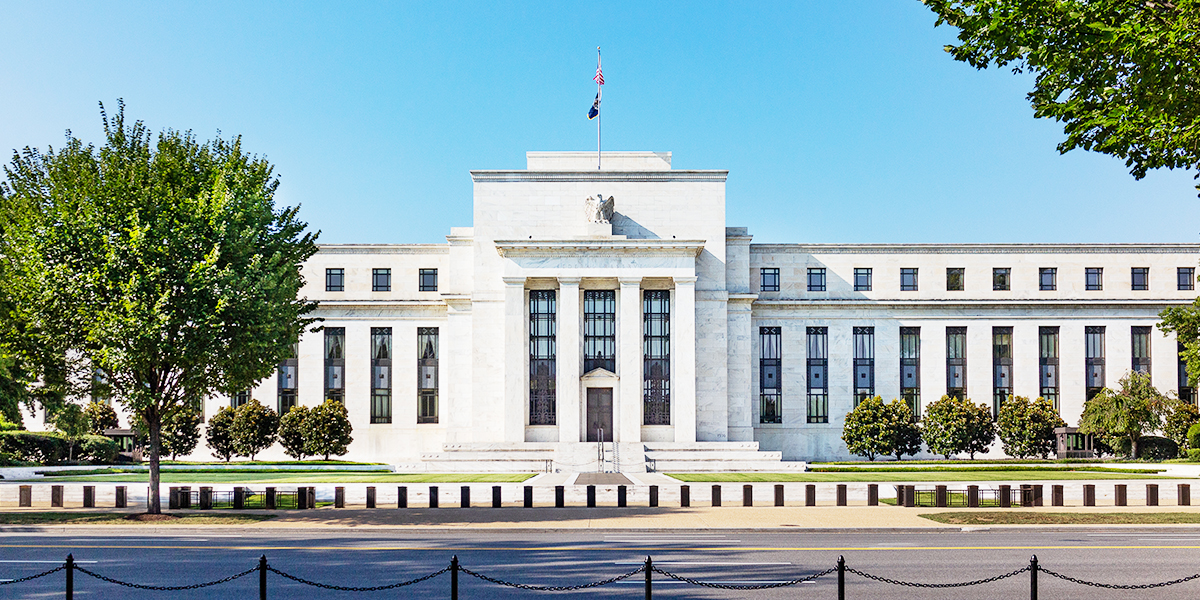
In a 9-3 split, the Federal Open Market Committee (FOMC) voted to maintain the Federal Funds target rate range at 3.50-3.75%. Three officials dissented in favor of raising rates by ¼ percent. Consistent with the committee’s shift toward less forward guidance, the newly whittled statement was nearly identical to June, signaling little change in its read of still solid growth, stable labor markets, and elevated inflation.
At the press conference, Federal Reserve (Fed) Chair Kevin Warsh continued to sound tough on inflation, while also providing more market-based commentary during the intermeeting period, noting the rise in real and nominal Treasury yields. He continued to sound optimistic around the current artificial intelligence capex cycle driving productivity gains and future growth, and stability in labor markets.
Elsewhere, he mentioned the focus of the committee’s discussion centered around:
- The implications of five years of elevated inflation on the policy outlook;
- Identifying the supply side shocks and their effect on output/employment;
- Scope and breadth of price increases related to supply shocks; and
- Monetary policy tools and strategies to achieve stable prices.
Unsurprisingly, Chair Warsh evaded opining on the path forward, but it’s clear he is incorporating, though not beholden to, a broader remit of economic and market trends in informing his view. Stocks remained under pressure while the curve steepened post conference.
Our base case remains the Fed will not hike rates this year, despite markets continuing to price in 1-2 rate increases by year end. That said, we acknowledge a hike in September as a real possibility depending on how the data evolves. However, this is unlikely to turn into a prolonged hiking cycle. The more hawkish members of the committee cluster among the four rotating bank presidents, rather than the longer serving Governors1 perhaps indicating, at most, the Fed is one and done.