
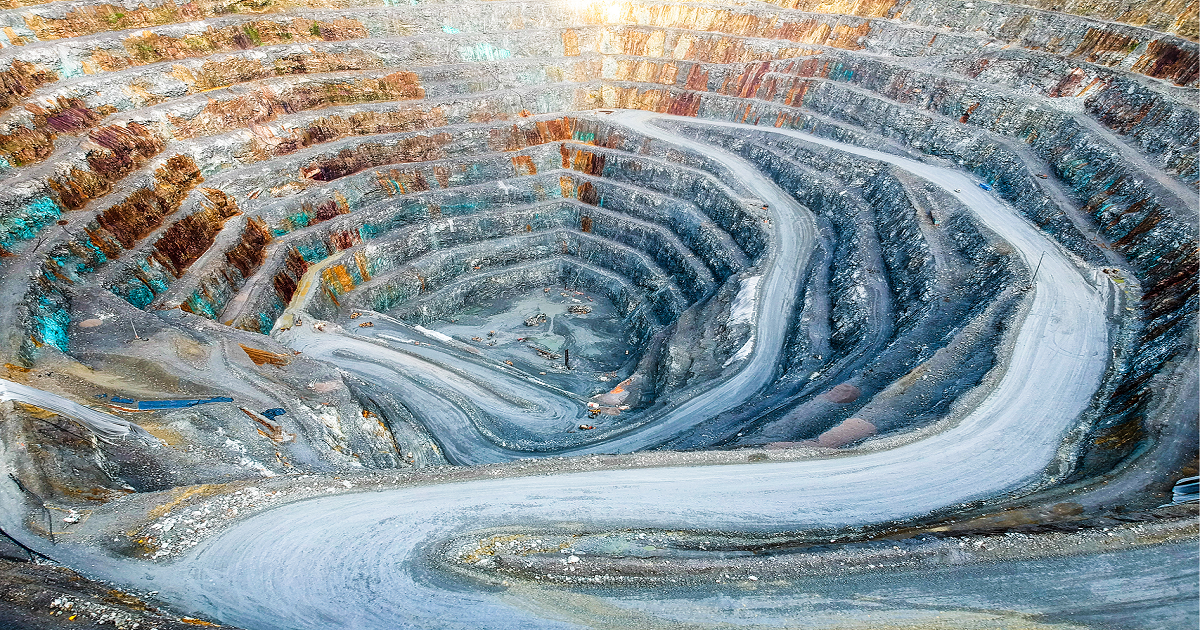
Why everyone is talking about rare earth metals
Rare earth metals, a group of 17 elements including neodymium, dysprosium and terbium, are the unsung heroes powering the technologies that define our modern lives. These metals are primarily used to make high-performance permanent magnets, which are essential components in motors, wind turbines and many electronic devices. They also play a key role in the AI supply chain, as they are used in the manufacturing of semiconductors, data centers, robots and drones.
Despite their name, rare earths are not rare at all. However, economically viable deposits are less common, and the extraction and processing are complex and environmentally challenging. This has led to a highly concentrated supply chain, with China accounting for approximately 70% of global rare earth production and over 85% of processing capacity as of 2024.
U.S.-China tensions
Both the U.S. and China are ramping up export controls to manage the supply chain of critical technology inputs. For the U.S., this involves restricting exports of chip-design software to China, while China has imposed controls on rare earth minerals and other goods. The U.S. government is moving quickly to secure more access to rare earths, investing $400 million in MP Materials, the operator of the country’s only rare earth mine and processing facility, and forging partnerships with countries like Australia and Malaysia. Still, the U.S. remains heavily reliant on China.
Tensions have cooled, but the AI race is far from over. After weekend trade talks, China agreed to delay rare earth export controls and the U.S. paused plans for new 100% tariffs. Presidents Trump and Xi are expected to meet soon to sign off on a framework agreement.
Investment implications
Rare earth export controls can disrupt supply chains, which may negatively affect the availability and cost of key components for AI technologies. This is especially relevant for the U.S., where AI investment is a major driver of economic growth this year. According to Oxford Economics, even a partial disruption in rare earth supply could shave about 1% off U.S. growth and 0.4% off China’s over two years. However, it appears that China’s recent moves are being used as bargaining chips rather than representing permanent changes.
For investors, the long-term structural demand for rare earths may present an attractive investment opportunity. However, these companies remain highly exposed to trade volatility in the short term. For example, news of the U.S.-China trade deal sent some U.S. rare earth and strategic metal stocks tumbling by more than 15% in a single day. Investors should continue diversifying equity exposure by including companies involved in various stages of AI development and production, and also consider alternative investments to help manage risk.