


For more than a century, the individuals, families, businesses and institutions we serve have relied on our perspective to help them build stronger portfolios.
1,300
investment professionals
USD 490m
annual research budget 1
3,800+
companies covered by research team
181
4- and 5-star rated funds 2
Source: J.P. Morgan Asset Management; as of 31 December 2024.
1 Only for Asset Management, as of 2024.
2 Morningstar; as of 31 December 2024.
Past performance is not a reliable indicator of current and future results.
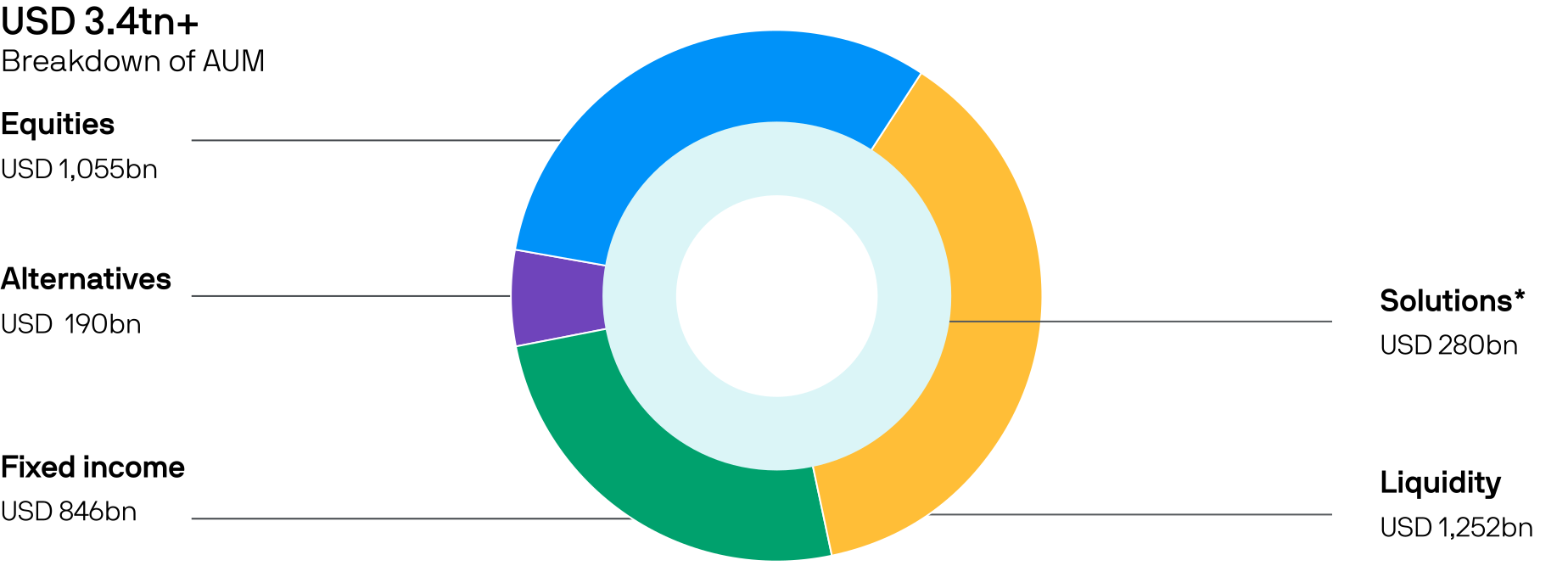
USD 2.5TN
Over USD 2.5tn AUM
Equities USD 749bn
Largest U.S. equity fund run by a woman: Clare Hart, Equity Income
Beta USD 92bn
Awarded ETF Issuer of the Year by ETF.com
Liquidity USD 754bn
The #2 institutional money manager globally?
Fixed Income USD 712bn
3x AUM growth since 2009
Multi-Asset USD 282bn
Morningstar Gold Rated Target Date Series
Alts USD 174bn
Manager of the largest core real estate strategy globally
Note: AUM as of 31 December 2024. Numbers may not add up due to rounding.
A global partner investors can trust
Today, we offer clear, actionable market insights that are trusted the world over. We use the depth and breadth of our global research platform to identify risks and opportunities that others might miss. Together with our clients, partners, and the companies we invest in, we believe we can drive better outcomes, for today and for the future we want to see.

Intellectual capital
We separate the signal from the noise to help our clients make sound decisions.

Investment solutions
Our singular focus is on finding the right solution to help our clients achieve their goals.

Technology
Technology is fundamental to everything we do to help our clients succeed.

Sustainability
Our goal is to create value for our clients.

Diversity, opportunity and inclusion
We believe that inclusive cultures foster better outcomes – for our teams, for our clients, and for our communities.
e2355050-e8a7-11ec-a166-eeee0af066a5