

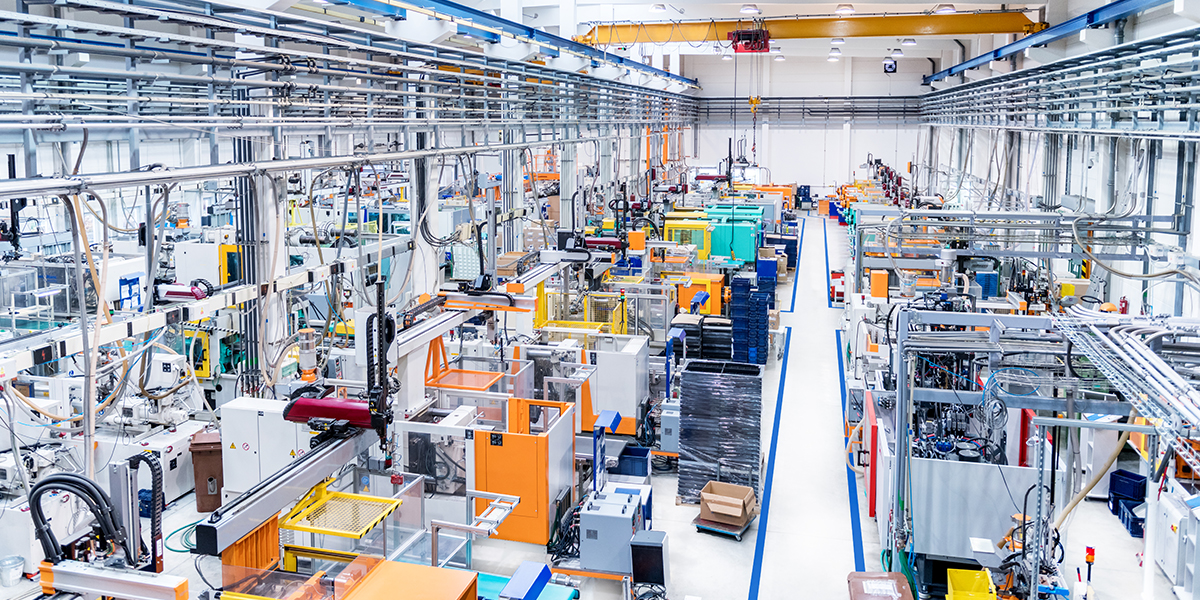
The exponential surge in AI workloads in recent years has fueled further consumption needs for data centers and energy.
In Brief
- The exponential surge in AI workloads in recent years is fueling greater consumption needs for data centers and energy.
- The confluence of rising energy consumption and multiple supply constraints is upsetting the energy demand-supply balance.
- Private utilities and energy infrastructure assets stand out as a compelling way to tap the AI theme because of the low correlation of their returns to the public equity market.
Artificial intelligence (AI) has emerged as the defining theme of the last few years, driving transformative demand across both the U.S. and Asian equity markets. From hyperscalers, developers and fabless companies, to chip manufacturers and cloud operators, the surge in AI adoption has had a pronounced impact on public market performance. While capital expenditure announcements on AI data center investments have grabbed investor attention, the critical issue of energy supply for these facilities has received comparatively less attention. However, this may represent a secular shift in global energy demand and reshape the investment landscape within the electricity supply sector, particularly in private infrastructure.
This note covers the interplay between energy demand and AI data centers, energy supply and the current constraints, and the investments that are set to benefit from this demand-supply imbalance.
How power hungry are AI data centers?
Since the late 2000s, improvements in data center operational and hardware efficiency have offset the rising levels of electricity consumption driven by internet adoption and digital services. However, the emergence of cloud computing, streaming services, and social media platforms from the mid 2010s has tipped the balance, leading to a reacceleration in data center electricity demand. The exponential surge in AI workloads in recent years has fueled further consumption needs for data centers and energy (Exhibit 1).
Despite advances in computing efficiency, the scale and intensity of AI computations have outpaced these gains. The growth in the average data center’s power load capacity has increased more than tenfold from only 6.2 megawatts (MW) a decade ago to 67.2 MW today (Exhibit 2). To contextualize this, a hyperscale AI-focused data center now consumes as much electricity as 100,000 households, with the largest facilities either under construction or announced expected to match the consumption of 2 million and 5 million households, respectively. Importantly, the market is experiencing an extremely tight supply environment, as reflected in the very low vacancy rates for data center capacity, highlighting the urgency and scale of the challenge of meeting future energy needs.
Globally, data centers accounted for approximately 1.5% of total electricity demand in 2024, ranking just behind the top ten electricity-consuming economies1. Additionally, demand for AI and the power required to fuel data centers is expected to maintain its rapid expansion, with consensus forecasts anticipating a 13% annualized growth in data center energy demand over the next decade, potentially tripling their share to 4.5% of global electricity consumption.
Is energy supply catching up?
Despite a broad range of potential electricity sources, several constraints limit the ability to meet the surging energy demand from data centers.
Most new electricity supply projects require construction periods exceeding two years. This makes renewables, such as solar and natural gas, more viable options for delivery within that time frame. Longer-term solutions, such as coal, hydropower, and nuclear plants, may be phased in to address future demand.
In response to the urgent need for capacity expansion, some companies are now attempting to bring decommissioned nuclear power plants back online. This approach offers a way to quickly add large-scale, reliable power, though it comes with regulatory and refurbishment challenges.
Permitting for new energy projects is a lengthy process. From environmental assessments and land use approvals to safety and emission standards compliance, these complex approvals can extend the deployment time for energy construction, adding significant delays to the timeline for when new power supply comes online.
Tariffs have also emerged as an obstacle, particularly for solar and wind power, as this raises the cost of construction for new installations, while the Trump administration’s position on renewables presents additional challenges.
Supply chain bottlenecks may further complicate the outlook. For example, as energy demand surged over the last two years, the sudden increase in new turbine orders is straining upstream manufacturers, which have received limited investment to increase production capacity over the past two decades as a result of flat energy demand growth. With order backlogs continuing to grow, expected turbine delivery times have extended correspondingly, delaying the deployment of new natural gas plants and adding incremental demand to existing plants.
Investment implications
The confluence of surging energy demand expected from AI data centers and limited near-term supply expansion is tipping the energy demand-supply balance after decades of muted growth. This transition is likely to favor energy producers and suppliers capable of bridging the emerging power gap – particularly those with scalable natural gas, nuclear, or renewable generation capacity. However, the opportunity set extends beyond generation itself. The build-out of transmission lines, grid interconnection, and supporting infrastructure also requires significant capital investment, creating a multi-year tailwind for companies across the broader electricity value chain.
For investors, private utilities and energy infrastructure assets stand out as another pathway to gain exposure to AI’s capital expenditure cycle, outside of traditional tech equities, while offering the additional benefit of a low correlation with public equity returns (Exhibit 3). As well as being an additional source of diversification, infrastructure assets typically offer steady, predictable income streams, especially as demand for reliable power accelerates. Importantly, in an environment of elevated valuations and concentration within public markets, private infrastructure investments represent an alternative means to participate in one of the most consequential investment themes of the decade - energy transition.
1China (10.0k TWh), the U.S. (4.4k TWh), India (2.1k TWh), Russia (1.2k TWh), Japan (1.0k TWh), Brazil (0.8k TWh), South Korea (0.6k TWh), Canada (0.6k TWh), Germany (0.5k TWh), France (0.5k TWh), data centers (0.4k TWh). Source: Ember (2025) – with major processing by Our World in Data.
09v3250411010026